Materials that last
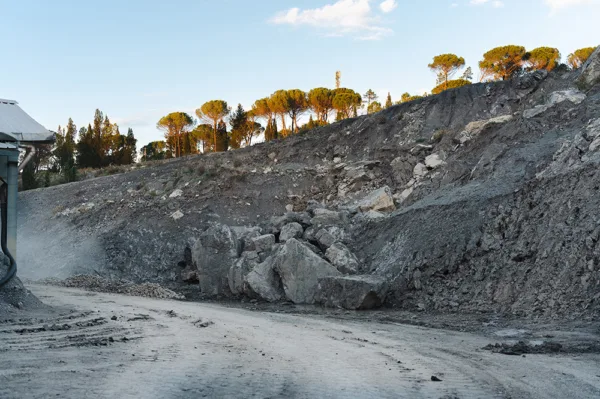
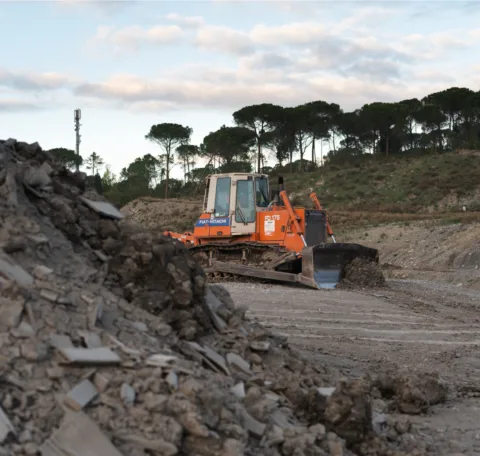
We move earth from the ground, process it for use on the ground, then return it back to the ground.
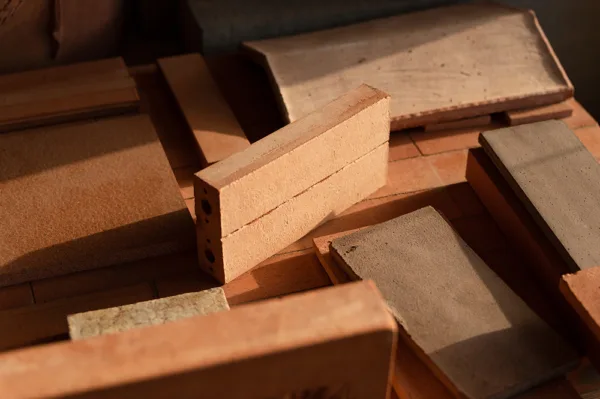
Humans have been moving earth for thousands of years. The creation of tiles is aligned to the earth moving business – except we also transform the materials into functional and creative products. We take two natural and abundant key mineral resources, clay and feldspar, and compact, treat and heat them to create tiles.
Moving earth for 1000s of years

Minerals
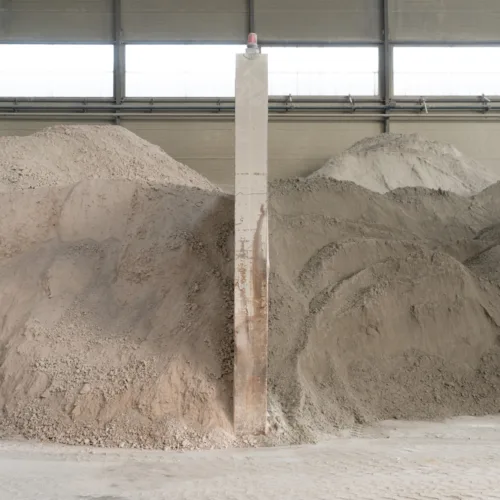
Tiles are regarded as some of the oldest flooring and wall products in existence, they have stood the test of time. The minerals used to make ceramic and porcelain tiles are found just on or below the Earth's surface and the mining process is not as invasive as the mining of other minerals and resources. Clay is an ancient word for sticky and it represents about 20% of the earth's land surface, it allows the tiles to be shaped. Feldspar is an ancient word for field crystal and it represents about 60% of the surface, it is the silicate part of the tile and becomes hard when heated (known as vitrification).
Production
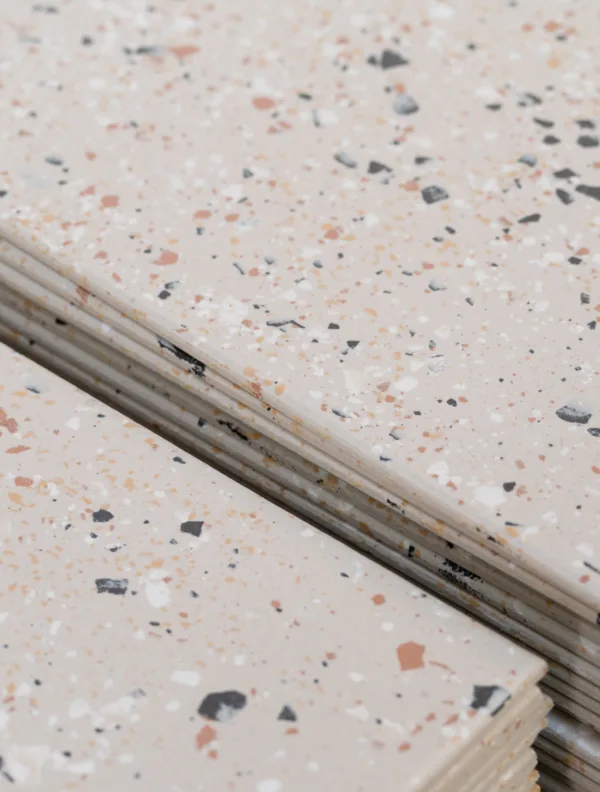
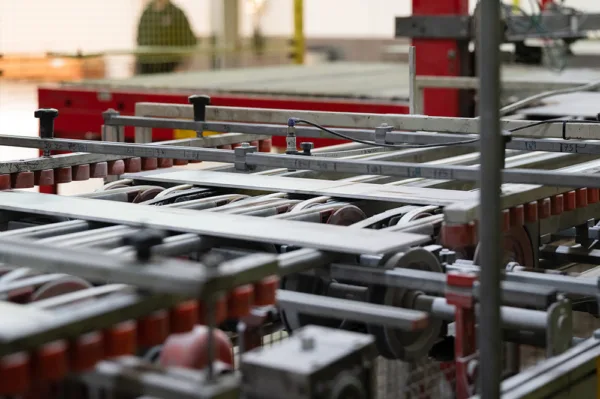
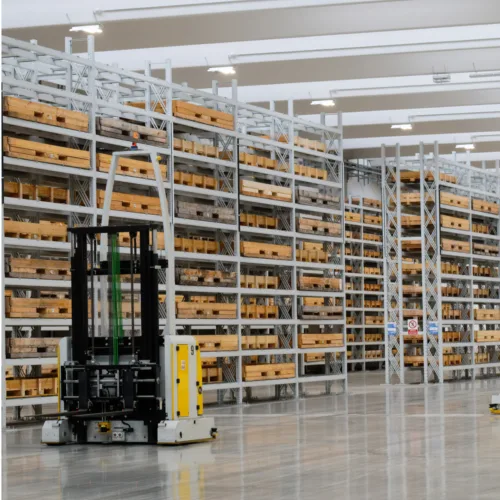
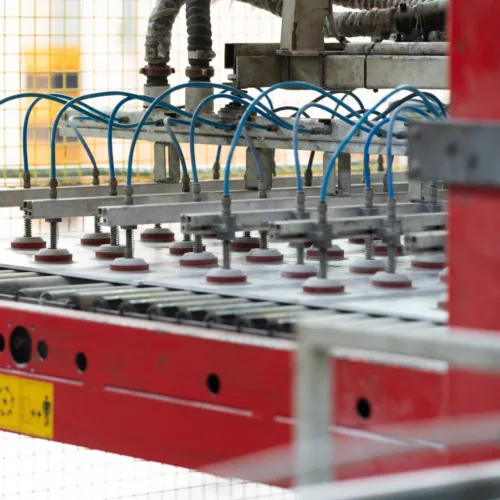
Ceramic and porcelain tile production is now an incredibly high-tech operation with the latest water and heat recovery systems in place. Terrazzo tiles are made using the latest low carbon cement available, now and into the future, and incorporate repurposed production waste and building debris to support material circularity. Many factories generate their own photovoltaic electricity. Some are even developing green-hydrogen ovens.
Application
The range of tiling applications is absolutely huge, they are installed in many building types. They cope with high humidity, can avoid slip issues, and can be formed in various designs and sizes. What is particularly amazing is their ability to withstand large variations in temperature, solar radiation, soiling, knocks and spills. They last much longer than all other man-made finished floor options.
After-life
Even though they can last for at least 60 years, we often see refits taking place and tiles sometimes need to be removed. In these instances, they can be repurposed and used as other useful materials.
Minerals
Tiles are regarded as some of the oldest flooring and wall products in existence, they have stood the test of time. The minerals used to make ceramic and porcelain tiles are found just on or below the Earth's surface and the mining process is not as invasive as the mining of other minerals and resources. Clay is an ancient word for sticky and it represents about 20% of the earth's land surface, it allows the tiles to be shaped. Feldspar is an ancient word for field crystal and it represents about 60% of the surface, it is the silicate part of the tile and becomes hard when heated (known as vitrification).
Production
Ceramic and porcelain tile production is now an incredibly high-tech operation with the latest water and heat recovery systems in place. Terrazzo tiles are made using the latest low carbon cement available, now and into the future, and incorporate repurposed production waste and building debris to support material circularity. Many factories generate their own photovoltaic electricity. Some are even developing green-hydrogen ovens.
Application
The range of tiling applications is absolutely huge, they are installed in many building types. They cope with high humidity, can avoid slip issues, and can be formed in various designs and sizes. What is particularly amazing is their ability to withstand large variations in temperature, solar radiation, soiling, knocks and spills. They last much longer than all other man-made finished floor options.
After-life
Even though they can last for at least 60 years, we often see refits taking place and tiles sometimes need to be removed. In these instances, they can be repurposed and used as other useful materials.
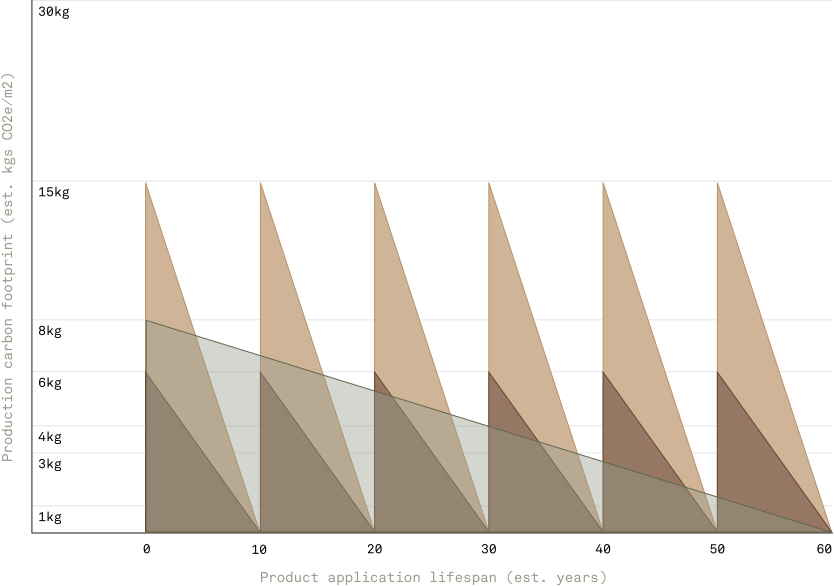
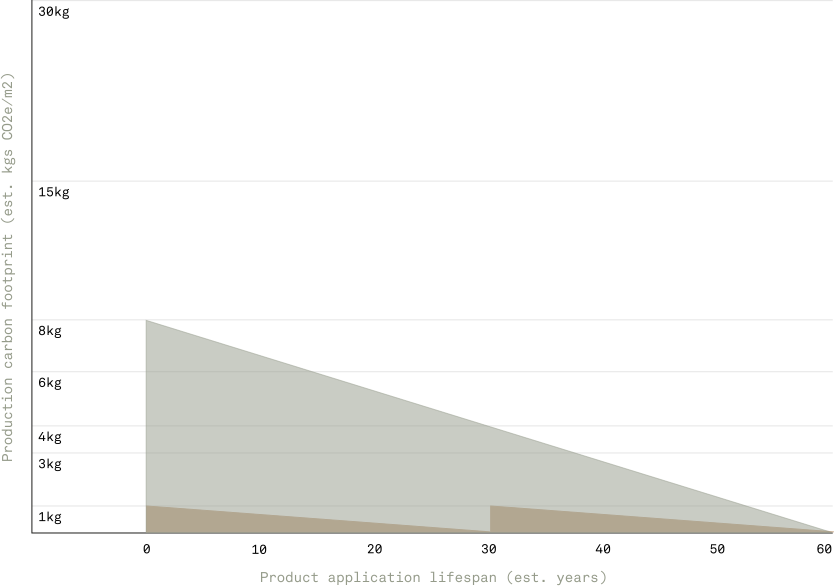
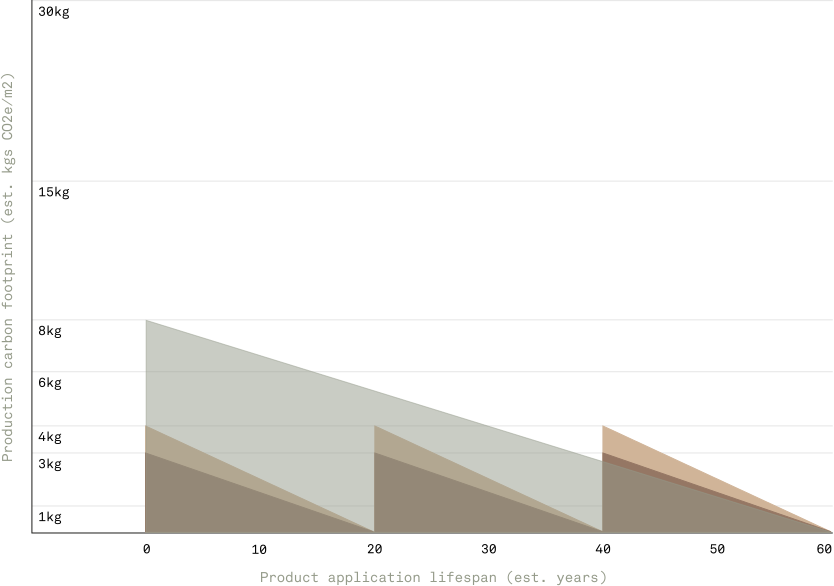
A tile lifespan supersedes that of most materials
Lifespans of different flooring products:+/-15% as factories will differ in efficiencies
Compare tiles with
Key
- Tile
- Fossil fuel based carpet
- Wool carpet
1 ceramic tiles life cycle
= 6 carpet life cycles
6 x
Material use, energy use, waste produce and emissions.
Source
Embodied carbon: The Inventory of Carbon and Energy (ICE)
Key
- Tile
- Wood
1 ceramic tiles life cycle
= 2 wood life cycles
2 x
Material use, energy use, waste produce and emissions. Removing tress reduces the earth’s ability to absorb CO2.
It takes a minimum of 10 years to start absorbing CO2.
Source
Embodied carbon: The Inventory of Carbon and Energy (ICE)
Key
- Tile
- Linoleum
- LVT Vinyl
1 ceramic tiles life cycle
= 3 linoleum/vinyl life cycles
3 x
Material use, energy use, waste produce and emissions.
Source
Embodied carbon: The Inventory of Carbon and Energy (ICE)