Hearing the Eyes of the Skin
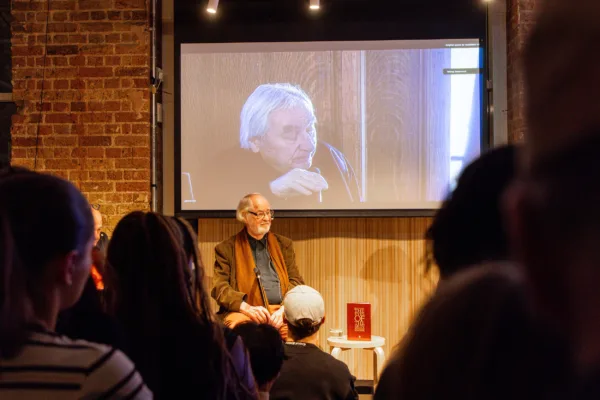
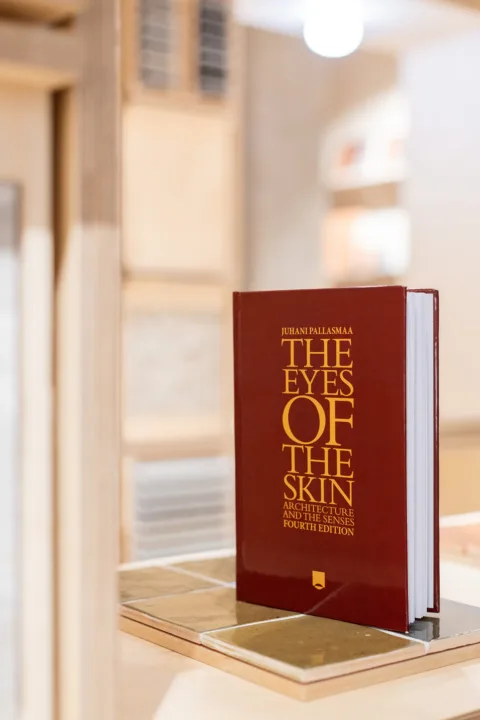
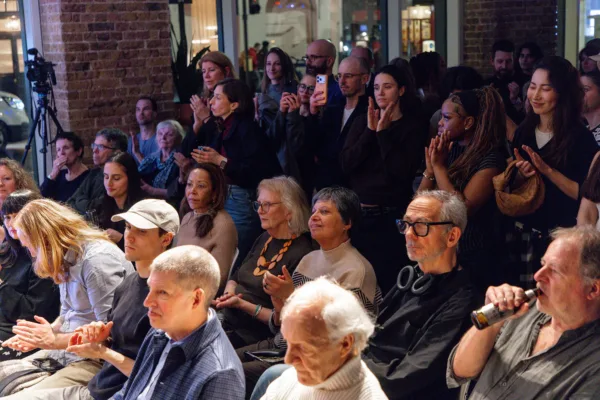
On 12 February, architects, designers and cultural commentators gathered at Solus in Clerkenwell for the launch of the audiobook edition of Juhani Pallasmaa’s The Eyes of the Skin.
First published in 1996, the book makes one of the most searching arguments in architectural thought: that the dominance of vision in modern culture has impoverished our experience of the built environment, and that architecture reaches us most fully through touch, sound, smell and the moving body.
The audiobook, produced by Thin Ice Productions, was conceived with the argument of the book in mind. Producer James Mason, who is dyslexic, wanted the text to be genuinely accessible: to readers for whom print creates distance rather than entry, and to the broader audience that architectural discourse too rarely reaches.
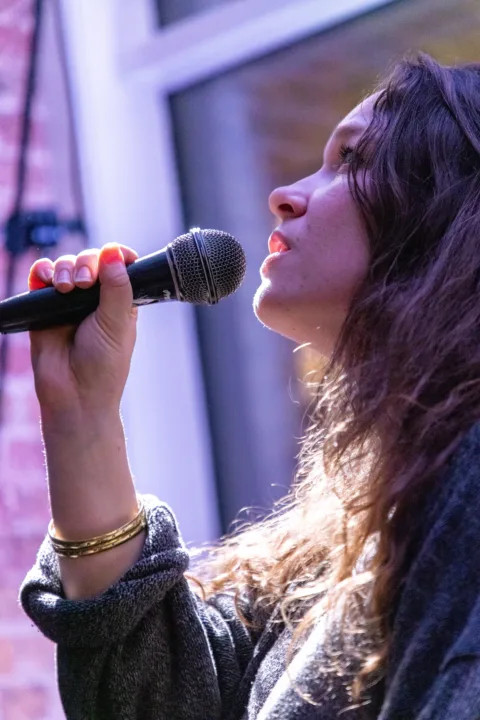
The evening opened with a yoiking performance by Plumm. Yoiking is a musical tradition of the Sámi people: a yoik does not describe its subject but evokes its essence, sound as direct apprehension. Mason worked closely with Plumm to make yoiking central to the audiobook’s soundscape. Heard live, the choice was immediately legible.
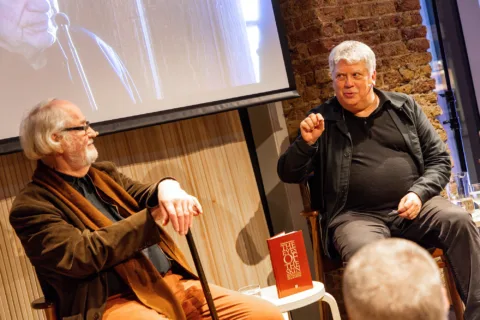
A panel discussion between Pallasmaa, Steven Holl and Peter MacKeith followed, chaired by Roger Tyrrell. It moved between anecdote and principle with the ease of long acquaintance. Holl recalled how, on Pallasmaa’s urging, he removed a courtyard from the Kiasma Museum scheme in Helsinki, aesthetic instinct trumped by climatic reality. MacKeith, who has edited many of Pallasmaa’s published works, spoke with authority and with evident care for his subject. Pallasmaa, now in his nineties, urged the audience to hold the ideas of responsibility, rigour and poetics as practical wisdom. The conversation returned to friendship as a condition of serious work.
Pallasmaa once described his earliest apprehension of architecture as an echo between the buildings of his grandfather’s farm, sound revealing space before sight. The evening had something of that quality.

NEWSLETTER
Get the latest news and updates sent straight to your inbox.


Meet the team: Domhnall McLaughlin
10th Jun 2026


Meet the team: Jade Whiteside
24th Apr 2026

Under the Table with Glenn Howells
16th Jan 2026

Solus celebrates 30 years
11th Dec 2025

Under the Table with Ian Simpson of SimpsonHaugh
22nd Oct 2025


Meet the team: Luke Bajic, Specialist Product Consultant
29th Sept 2025


Under the Table with Simon Allford
29th May 2025


Meet the team: Aaron Taylor, London Area Sales Manager
30th Jan 2025

Meet the team: Lauren Riley, London Area Sales Manager
29th Jan 2025

Goodbye to 2024
17th Dec 2024


The story of the Ceramophone
23rd Feb 2024

Building Minds: In conversation with Frank Bruno
17th Jan 2024


In conversation with Juhani Pallasmaa
2nd Nov 2023


Solus Clerkenwell reopens its doors
31st Jul 2023

In conversation with Roger Tyrrell
21st Jun 2023

How can design drive optimism and change?
15th Jun 2023


In conversation with Mauro Mazzi, CEO of Mirage
17th Apr 2023


How do materials shape positive experiences?
6th Oct 2022

How can the design industry lead with purpose?
13th Jul 2022

Solus sponsors Birmingham charity walkathon
7th Jul 2022

Meet Ken Graham, Sustainability Manager
23rd May 2022

Solus celebrates 25 years
16th Mar 2020